Category: Uncategorized

  • The Veterinary Team

    The Veterinary Team

    The 26th of April marks World Veterinary Day, and the theme chosen this year is “animal health takes a team”.

    So, do you know what your veterinary team do behind the scenes to look after your furry family members? Read on to find out a bit more!

    Veterinary receptionists:

    Likely the first member of our team you will meet! They don’t just answer the phones! They are essential to managing our busy diaries and identifying which patients may need to be seen more urgently.

    So when they ask you what is wrong with your pet, a good description of any signs they are showing is vital so they know which patients may need to be seen sooner. For example, open mouth breathing, not urinating, excessive bleeding or loss of consciousness are always an emergency.

    Behind the scenes they also carry out important administrative tasks such as processing insurance claims, managing prescriptions and sending and requesting medical records for us and referral practices.

    We couldn’t do it without them!

    Veterinary care assistants/auxiliaries.

    In some workplaces large enough you may see veterinary care assistants. They are involved with the day-to-day care of patients and ensuring the practice stays clean and tidy amongst the busy procedures of a typical day in veterinary! They ensure your pet gets lots of cuddles, yummy food and toilet stops to make them feel as comfortable as possible during their stay with us. 

    They also have talent for knowing where absolutely everything is in the practice …!

    Veterinary Nurses

    Many people still don’t understand how important and vital our veterinary nurses are to our team. They undergo 3-4 years of training with lots of practical experience along the way. Working face to face with you and behind the scenes with your pets, there wouldn’t be a vet without a nurse! You may see them for consultations such as repeat injections for arthritis and allergy, post operative care and dressing changes, nail clips and anal gland empties and weight management clinics to name a few. They are highly skilled at recognising the normal and although they are not able to diagnose and prescribe, they are vital to signposting to a vet when something isn’t quite right.

    In the hospital setting, they are highly trained in anaesthesia, patient recovery and care throughout their stay. They can administer medications under the direction of a veterinary surgeon and have great pharmacology knowledge. They will gently restrain animals for procedures such as ultrasound scans, are able to obtain x-rays (radiographs), clean an animal’s teeth under veterinary direction and process diagnostic samples such as blood, urine and fine needle aspirates. Most of our nurses have different areas of interest such as cytology, emergency medicine and exotic medicine.

    All of our qualified nurses are registered with the Royal College of Veterinary Surgeons (RCVS), our governing body, which is good to be aware of as currently anyone can call themselves a veterinary nurse without being registered.

    Veterinary Surgeons

    We are what most people think of when we say ‘the vets’. But we are just a part of a multifaceted team!

    All vets have to undergo 4-6 years of training depending on the course (4 years for an accelerated course, 5 for the standard course, 6 if going to Cambridge or undertaking an intercalated [additional] 1-year degree in between). At university this encompasses both small and large animal species as well as some on exotic species (although variable in depth depending on the university). Whilst there are still vets that see small and large animals generally now the 2 fields are separating due to the depth of knowledge required and ability to do so much with all species currently.

    Vets are the first port of call when your pet is unwell. A big part of our training is spent learning the normal workings of animals before learning about pathology (when things go wrong!).  Our studies include anatomy, physiology, biochemistry and pharmacology, legislation relevant to animals, public health and zoonotic disease and much more! Legally, we must examine your animal before we can prescribe any medications, especially considering that we are able to prescribe human medications where appropriate.

    Often diagnostic tests are required for more information if your pet is unwell or if they fail to respond to a medicine trial. However, animals don’t always read the textbook and that is where experience and interpretation skills come in. Sometimes for the trickier cases, we put our heads together as a team or ask for advice from our specialist colleagues all of whom are happy to help!

    Outside of the consultation room we can perform surgery from routine neutering procedures to more complex procedures such as limb amputation and BOAS surgeries (nostril widening and palate resection in short nosed dog breeds such as the Pug). The list is endless!

    There are also vets working outside clinical practice such as for pharmaceutical companies, in food hygiene and public health, research, pet food and for the Government. 

    A day in veterinary medicine is never the same! But we all do it because of a shared love of animals and wanting to do the best for your pet. So please join us in thanking all our veterinary professionals for all they do for animals everywhere! 

    Lucy Travers BVSc CertAVP MRCVS

    Highfields Vets

  • Pet Dental Month

    Pet Dental Month

    So, March is Pet dental month apparently – there seems to be a day or month for everything! Anyhow it is a good chance to talk about our pets’ teeth. Teeth are teeth, just like ours the tooth of a mammal is consistently made up of the same material. What does differ is the shape, size, and number of roots. The ‘fang’ tooth (called canine) in a dog and cat has a root that is a similar size if not bigger than what you can see. The back teeth (molars) have 2-3 roots which help make them super strong.

    Just like us dental pain is horrid for our pets, they commonly suffer abscesses under their teeth and inflammation (also called gingivitis) around their teeth. Sometimes they will tell you their mouth hurts – they may go off food, eat to one side of the mouth, a swelling may appear under the eye, but it is often amazing what discomfort they will still eat with. After having diseased teeth removed, we often hear owners say, ‘their dog is acting like a puppy again’ or ‘we just thought they were getting old’.

    The best way to keep your pets’ teeth clean is to use a toothbrush and pet toothpaste, nothing beats physically brushing them. If this is a struggle there are alternatives that can help your pets’ teeth stay clean, including dental sticks, dental diets, and pet mouth washes. If your pet will allow, regularly look inside their mouth or when it is in for an annual vaccination ask the vet to check. 

    Lucy Travers BVSc CertAVP MRCVS

    Highfields Vets

  • Pregnancy in Dogs and Cats

    Pregnancy in Dogs and Cats

    Pregnancy length in small animals is usually much shorter than in people. In dogs and cats, the length is approximately 9 weeks. Dogs will only come into heat twice a year and so can only have a maximum of two litters in this time period. From early Spring female cats become ‘induced’ to ovulate by a male cat, meaning they can have multiple pregnancies in a year, which is why the cat population can easily get out of control. 

    A female dog in season is usually easily identified, her vulva swells, she bleeds for a week after which she is very fertile and then she generally bleeds for a further week on the way out (3 weeks in total). When she is most fertile, she is receptive to a male and it is worth knowing that sperm can survive for up to a week inside a female before fertilising an egg which does make calculating a whelping (birthing) date tricky unless we test the progesterone level in the blood. 

    In a cat a season is usually obvious from behavioural changes, a queen may roll around on her back ‘screaming’ or be very affectionate.  If you are considering breeding your pet, please get advice from your Veterinary practice as it isn’t always straightforward!

  • How to choose a Vet practice

    How to choose a Vet practice

    As many practices are now being taken over by corporate shareholders who own multiple sites, Veterinary practice is changing. If you need to choose a practice, here are some tips on finding one that will suit the needs of you and your pet.

    • Find out who owns the practice, is it part of a group or a stand-alone independent (often owned by a Vet/Vet Nurse).  
    • Do they have permanent staff?  As Vets we love continuity of care, I see patients that I have known for years, and a good relationship is invaluable for care. 
    • Are prices openly displayed on websites? We think this should be easily visible on all practice sites.
    • Can they perform a range of procedures? –for example in house blood machines and ultrasonography are very useful for emergencies. Experienced surgeons save you having to go elsewhere for more advanced procedures. 
    • Do the opening hours suit around your working week? Online booking is a very useful tool and means you can book when the practice is closed.
    • How far away is any out of hours provider?

    If you are thinking of moving practice have a chat to the new practice or pop in and try and get a feel for how it works.

    Lucy Travers BVSc CertAVP MRCVS 

    Highfields Vets 
  • The Queens of the Cat world

    The Queens of the Cat world

    Cats have quite different reproductive behaviour to dogs. A female cat (Queen) can start coming into season as early as 4 months of age. They are ‘seasonal breeders’ with a breeding season from February to October – an advantage that allows them to have young kittens in the warmer months. They are what we call ‘induced ovulators’, which means they only release an egg from the ovary if mated. This greatly increases the chance of conception when they are mated. Multiple conceptions from different male cats can happen at the same time allowing a litter to have multiple fathers. A short pregnancy and large litter sizes means one queen can have large numbers of kittens in a year which is why we struggle to control feral cat populations. When a queen is in heat she shows quite characteristic behaviours, rolling, rubbing, kneading her back feet, and yowling loudly – signs that are commonly mistaken for severe pain.

    We do recommend neutering all cats. Un-neutered cats are at increased risk of straying away from home and are more commonly involved in road accidents. Mature entire male cats also produced quite a distinct scented urine!

    Remember all cat owners must have their cat microchipped by 10th June this year.

    Lucy Travers BVSc CertAVP MRCVS

    Highfields Vets
  • When is the Right Time to Neuter My Dog?

    When is the Right Time to Neuter My Dog?

    It is a question we get asked all the time and the truth is there is no ‘one size fits all’ answer to this. There is a lot of current research and discussion around this topic. There is a lot of evidence to say reproductive hormones can have an impact on a dog’s confidence and if they show any ‘fear’ behaviours we tend to wait until they are more mature, rather than neutering in the mid ‘teenage’ years. With regards to large breed dogs and Dachshund’s we would tend to wait until they are completely skeletally mature around 18 months as there is now evidence to suggest early neutering can impact the development of the spine. 

    There are advantages to early neutering, we can do small dogs before a season if this is wanted. There is a lot of evidence to say the earlier we neuter female dogs the less likely they are to develop mammary cancers. There is lots of differing advice out there and what I would always say is we need to assess the individual dog’s character, behaviours, breed and home environment to determine what is best for your dog, in some instances we may not recommend neutering at all. Getting advice from a Vet, Vet Nurse or qualified behaviourist would always be worthwhile to do what’s best for your pet.

    Lucy Travers BVSc CertAVP MRCVS

    Highfields Vets 
  • Why Weight?

    Why Weight?

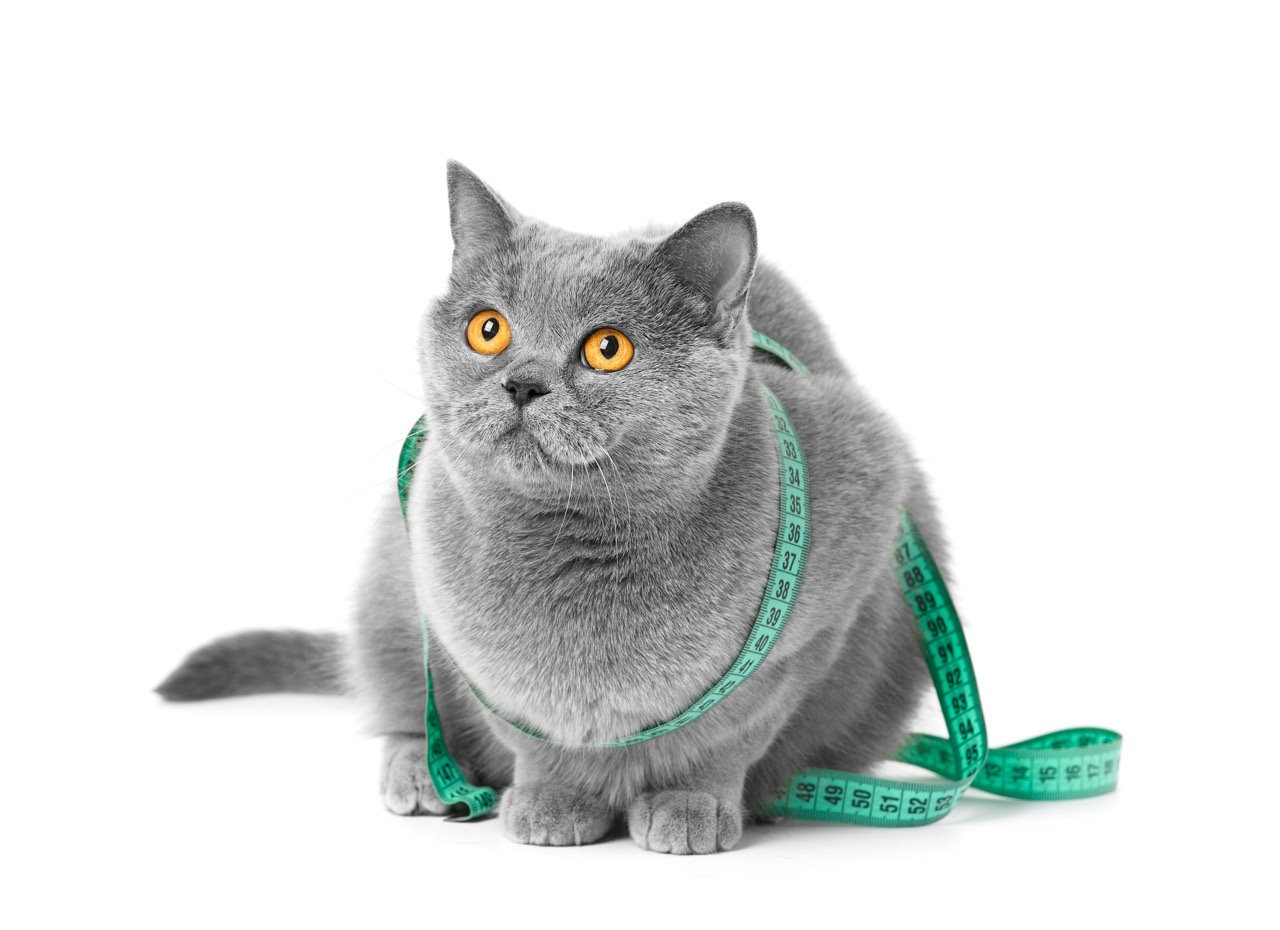
    So, when you come to the Vets you may wonder why every time your pet visits we will try and record a weight. As animals can’t speak, weight is a great diagnostic tool we use to ascertain health. 

    An older pet that is losing weight may not be ‘just getting old’ and losing muscle. Weight loss comes from 3 main causes.

    • Lack of food – either by reduction in diet or unwillingness to eat as in dental pain/kidney disease.
    • Increased transit of food and reduced absorption (gastro-intestinal disease)
    • Increased utilisation such as exercising more, cats with overactive thyroid glands or tumours using glucose to grow. 

    Weight gain can be caused by 

    • A change in metabolism, for example dogs with a low thyroid or a neutered pet that hasn’t had its diet modified.
    • An increase in the number of treats!

    If your pet’s weight has dramatically changed, we will try and ascertain why and get them back to their ideal size. 

    Lucy Travers BVSc CertAVP MRCVS

    Highfields Vets
  • Eyes

    Eyes

    Eyes are one of the few anatomical structures that are the same in all mammals. Our eyes and that of our pets are very similar in structure and how they work to provide vision and how they are protected with tears and eyelids. One difference is that dogs and cats have a third eyelid in the middle corner of the eye, that comes across sometimes to help protect the eye. 

    Problems we see with eyes are also similar, we see scratches on the eye, glaucomas, cataracts, and conjunctivitis more commonly. The main difference is like many of the ailments we see with pets is that they cannot tell us how much pain they are in. Therefore, we always like to see eyes that just don’t look right as they can deteriorate very quickly. An eye that is blinking more than normal or is closed over, one that is red, cloudy or has a discharge or one where the third eyelid is visible are all signs of a problem.

    If you are ever concerned about your pet’s eye, get them checked, they are much more easily treated sooner rather than later.

    Lucy Travers BVSc CertAVP MRCVS Highfields Vets

  • Animal Poisons

    Animal Poisons

    Having a young Labrador, it is not always easy to keep everything out of her mouth, something drops and within the blink of an eye it disappears into the depths of her stomach with undoubtedly a bit of chewed sock, stick and whatever else has been on the menu that day. It’s not always the young, it has been known for older dogs may take a fancy to something they shouldn’t! Cats will too, the Siamese especially good at eating shiny things!

    Some of this indiscretion can be harmful for our pets, it may cause a blockage or may be poisonous. Some of the more well-known one poisons are Chocolate in dogs (particularly dark and cooking chocolate), Lilies to cats, and anti-freeze which can be severely toxic to cats and dogs. Sometimes we don’t know how toxic a substance is, such as a human medicine, and that’s where the Veterinary Poison line, run by Vets and toxicologists comes in to help us. They have a direct telephone number for pet owners, so you can get assistance directly if you are unsure if what your pet has eaten will make them poorly, this is 01202 509000 or visit https://www.animalpoisonline.co.uk. If in any doubt you can always contact your Vet at the first instance.

    Lucy Travers BVSc CertAVP MRCVS Highfields Vets