Category: Uncategorized

  • Anal Glands

    Anal Glands

    So, let’s talk anal glands, a rather stinky subject!

    Last week I did two surgeries on dogs to remove anal glands, not the most fun, but sometimes getting rid of them resolves either a problem of chronic infection or pain.  I have spent a lot of my career dealing with bottoms, it’s not glamorous! So, what are these troublesome glands? Anal glands are an evolutionary scenting tool, when a dog passes faeces, they squirt scent onto it to claim territory. The problem, more commonly in smaller dogs is that these glands get blocked and sometimes infected which causes irritation and discomfort. With blocked glands the dog may ‘scoot’ its bottom on the floor to find relief or bite around its bottom. If they remain blocked for some time, they are likely to get infected. Some dogs need the glands to be emptied at regular intervals to prevent this. Infected glands don’t always need removing and sometimes a course of antibiotics or a flush can settle them down. One thing is for sure that the smell of anal glands is pretty distinctive and not at all pleasant!

    Lucy Travers BVSc CertAVP MRCVS Highfields Vets

  • Year of the Rabbit

    Year of the Rabbit

    So, it’s the Chinese Year of the Rabbit

    Sadly, rabbits are one of the most neglected pets we see in veterinary practice. Rabbits have complex needs and are not an easy pet to look after.

    The rabbit’s digestive system is complex, the rabbit needs to ingest the first faeces (called caecotrophs) it passes to fully absorb nutrients it needs from the food. Rabbits need a good diet, most of this should be made up of roughage such as hay and the rest a pelleted complete food with additions of vegetables and herbs. Contrary to popular belief lettuce such as iceberg is no good for rabbits, it can cause them to have tummy upsets. If your rabbit is not eating, this is seen as a Veterinary emergency as they can die from bloat, contact your vet as a matter of urgency.

    Rabbits are very sociable animals and should be housed in pairs.

    Regular checks should be performed on their nails and teeth, if they are overlong, they need trimming. During warmer months a close eye on their bottoms should be kept ensuring they are not suffering from flystrike (maggots).

    Rabbits do need an annual vaccination to keep them safe from Myxomatosis and Viral Haemorrhagic Disease which are both highly contagious and fatal diseases. They are lovely animals but shouldn’t be considered a cheap pet. If you are considering getting a rabbit please get good advice on housing, feeding and behaviour. 

    Lucy Travers BVSc CertAVP MRCVS Highfields Vets

  • I Wasn’t Expecting That

    I Wasn’t Expecting That

    So, my own 8-month-old puppy ended up at the vets last week after going from bright, bouncy and playful to quiet with her tail between her legs in 24 hours. It was quite a shock; it shouldn’t have been as it’s something we see commonly. Pets present suddenly ill, sometimes because they don’t tell us they have a minor pain, an evolutionary advantage is to hide pain in prey species but other times something just happens. 

    In the case of my dog, she developed a type of meningitis. Not the type we tend to see in people, which is linked to infection, young dogs can get a form, where the immune system causes havoc on the brain. A blood test increased my suspicions and a spinal tap at a referral centre confirmed the diagnosis – something I needed as treatment involves a lengthy period on medication. 

    She is responding well to treatment and will likely make a full recovery, but it was a shock. When talking to pet owners I always advise that they are the best judge if something isn’t quite right so always follow your gut feeling.

    Lucy Travers BVSc CertAVP MRCVS Highfields Vets

  • Pet Blood Transfusions

    Pet Blood Transfusions

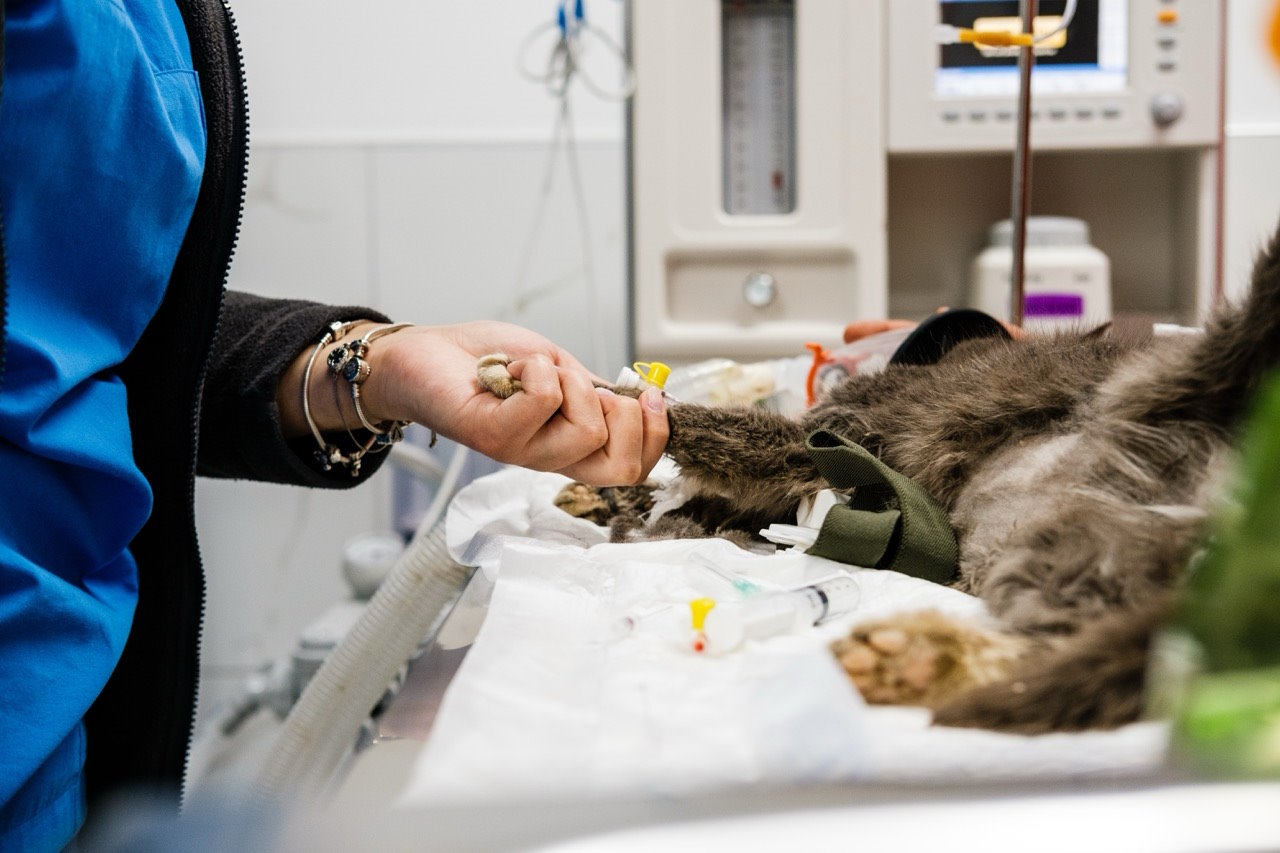
    It’s not common for us to perform a blood transfusion on an animal but sometimes it is necessary to save a life. It is a similar process in human medicine, and we need to be careful about matching blood types, particularly in cats but dogs have a huge advantage. This is that the first transfusion they get can come from any other healthy dog. 

    A recent case was that of a 6-year-old Collie who came in lethargic, pale and breathing rapidly. Her blood count was only 8% (normal is over 37%) so she was critically anaemic. Immune mediated Haemolytic Anaemia (IMHA) is a condition we dread; the immune system takes over the body and destroys its own red blood cells. Sadly, many of these cases don’t make it and it is absolutely heart breaking. If your dog is ‘just not right’, get it checked as these conditions can start very subtly as the body initially puts mechanisms in place to compensate for the anaemia. Blood from another dog saved this dog’s life.

    Lucy Travers BVSc CertAVP MRCVS Highfields Vets

  • Fireworks and Pets

    Fireworks and Pets

    Many supermarkets have recently stopped selling fireworks due to the distress they can cause our pets. Firework season can be relentless, and some pets are very sensitive to loud noises. 

    Some signs of anxiety include:

    • hiding
    • vocalising
    • trying to escape (sadly many pets escape and are at risk of getting into an accident)
    • lip smacking
    • chewing
    • pacing
    • shaking
    • inappetence

    There are various strategies we can use to reduce the anxiety our pets experience during this time:

    • Firstly, make sure the house is secure.
    • Build them a den to make them feel safe, there is a great video here 
    • Walk dogs before dark
    • Let them hide
    • Reassure them but don’t overstimulate them
    • Using pheromone diffusers and natural calming remedies can also be a great way to provide extra reassurance
    • We can ‘desensitise’ dogs to loud noises by playing firework sounds the dogs trust have a great page on their website that you can get information about this process stream sounds from: https://www.dogstrust.org.uk/dog-advice/understanding-your-dog/sound-therapy-for-pets
    • If your pet is really struggling, we can also use medications to keep them calm, please discuss this with your veterinary surgeon.

    Lucy Travers BVSc CertAVP MRCVS Highfields Vets

  • Keeping Your Pets Healthy During This Winter

    Keeping Your Pets Healthy During This Winter

    With the cost of energy crisis imposing a threat on people’s budgets, there is concern that some people are going to be unable to afford to look after their pets and rehoming centres will become overwhelmed. 

    As Vets it is our absolute priority to ensure the health and welfare of animals under our care. With the cost of wages and energy rising this impacts our profession too. However, there are ways we can work together to help to continue to provide a high standard of care for your pets.

    If you are getting a puppy or kitten, please consider what breed it is and what health problems they can suffer from, have the parents been health tested? A good indication of this is the cost of pet insurance for the breed.

    Prevention is better (and a lot cheaper) than cure. We currently still see many pets present with complications of flea infestations and worm burdens, conditions that can be easily prevented by routine treatments. We are also seeing a concerning rise in Parvovirus, Kennel Cough, Feline Leukaemia Virus and Rabbit VHD, all conditions that can be vaccinated against.

    Consider the diet and lifestyle of your pet. Overweight pets can suffer arthritis and diabetes in older age. A good, complete, balanced diet will prevent conditions that result from vitamin deficiencies and keep them healthy for longer.

    Pet insurance will not only cover large, unexpected bills because of accidents, but a lifetime policy will also cover ongoing costs associated with skin and ear disorders, epilepsy, joint disease, heart disease and any other problems that your pet may develop. Pet insurance gives peace of mind for the ‘what if’s’.

    If your pet is unwell, seeking treatment more promptly may well reduce the costs of further hospitalisation if they are more severely affected, don’t wait until Friday afternoon if your pet has been unwell for a few days as treatment will be more costly out of normal working hours. There are often multiple treatment options available when it comes to veterinary care, as Vets we will always treat an animal to our best ability and consider all circumstances surrounding what is practical for both you and your pet. Please always pick up the phone and ask if you are unsure, it may be that we can just give you some advice. We will endeavour to not let animals suffer during this time.

    Lucy Travers BVSc CertAVP MRCVS Highfields Vets

  • Phantom Pregnancies

    Phantom Pregnancies

    Female dogs come into season generally twice a year although it can vary between breeds. The length of pregnancy in a dog is only 9 weeks. All dogs whether they are pregnant or not experience the same hormonal changes (unless they have been neutered). So, for those 9 weeks after their season some will get inappetence and nausea (just like morning sickness in people), others may nest and, in some instances, they may produce milk. Perhaps this is an evolutionary development so they can help suckle other puppies in the pack. These changes usually pass but in extreme cases we can use hormonal supplementation to stop the phantom/false/pseudo pregnancy.

    Lucy Travers BVSc CertAVP MRCVS Highfields Vets

  • Cat Vaccinations

    Cat Vaccinations

    Cats are at high risk of catching diseases because they are very likely to come into close contact with other cats, be it a hiss from a few feet away. Unfortunately, there is a very large population of unvaccinated cats in the local area. The Cat’s Protection League are working hard to help the situation with feral cats, but as cats breed at such a high rate it is difficult to control the population.

    Recently we have seen an increasing number of cats that are suffering from cat AIDs and cat flu. These viruses can be transmitted through the air, through sharing water and food bowls and through bite wounds. 

    We cannot protect against all cat viruses, but we can protect them against the flu and leukaemia viruses. Due to herd immunity, by protecting your cat, you will also be protecting other cats from these terrible viruses.

    Lucy Travers BVSc CertAVP MRCVS Highfields Vets
  • Rabies – Keeping Us Safe

    Rabies – Keeping Us Safe

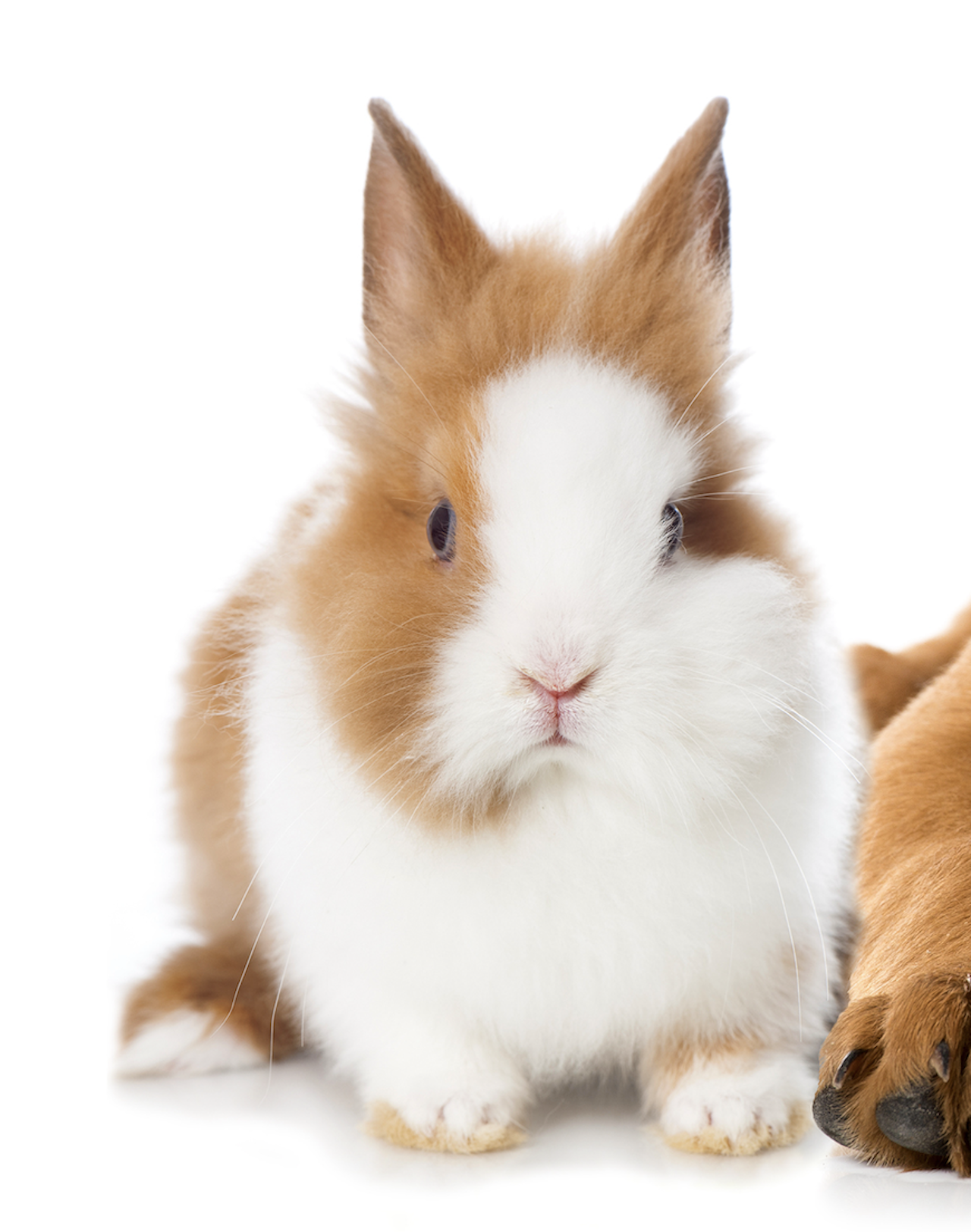
    The UK is one of very few countries in the world that can call itself ‘rabies free’. Rabies kills more than 55,000 people a year and most people who catch it will die from the disease. There is wide concern that pet smuggling will return the disease to the UK and once here, if it gets into our wildlife population, we will struggle to contain it. We must do everything we can to prevent rabies entering our shores. Pets travelling abroad need to have been vaccinated against rabies, and we must ensure every animal that enters the UK is free from the disease. 

    We are very fortunate to live somewhere with very few exotic diseases. The requirement for tapeworming pets prior to entry to the UK is again to prevent a deadly human disease that we do not have here. 

    We must be alert to any animals entering illegally to protect ourselves, our wildlife, and our pets.

    For more information about what is required when you travel abroad with your pet click on the image.

    Lucy Travers BVSc CertAVP MRCVS Highfields Vets