Category: Uncategorized

  • Best of Breeds

    Best of Breeds

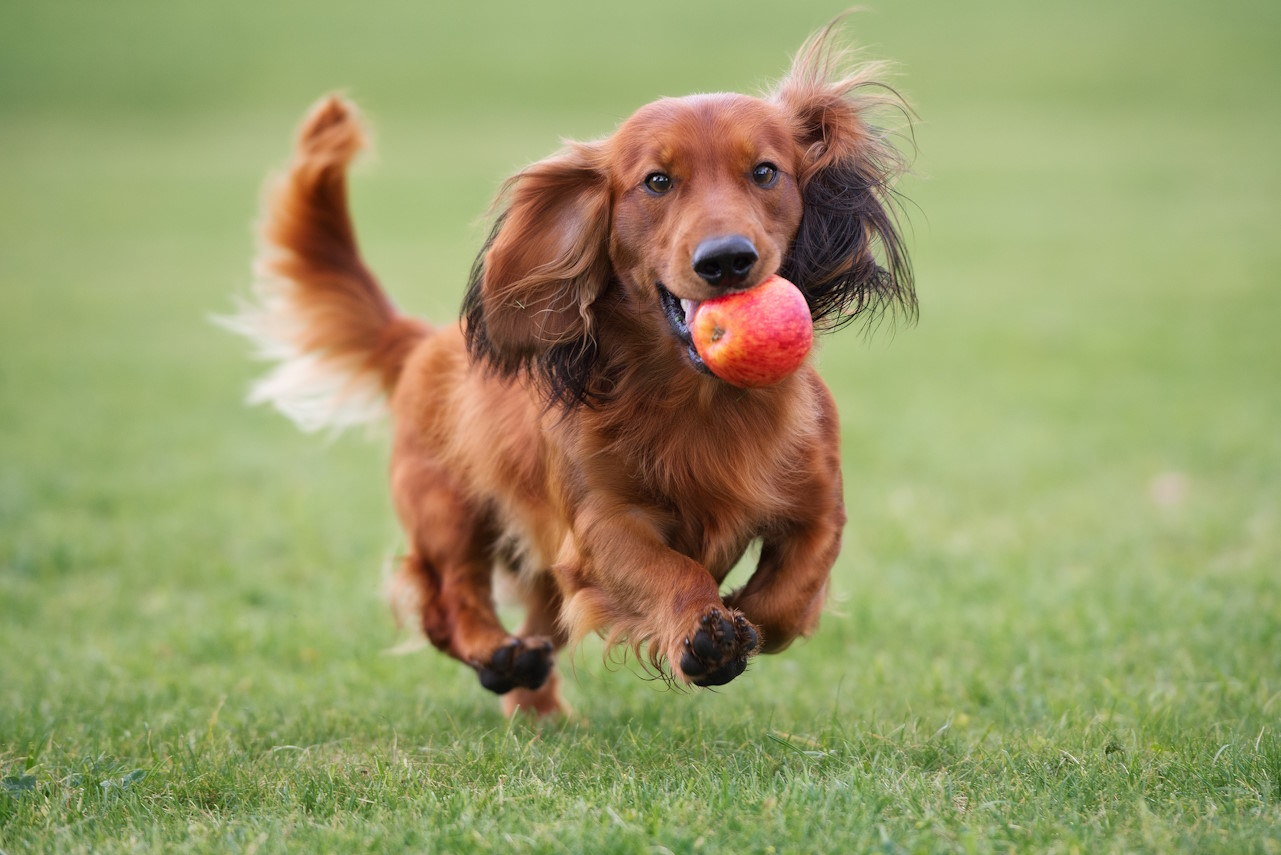
    Watching Crufts this year was a needed escape from the horrors of recent news stories, what better than to sit and watch dogs. It is more than just a dog show, watching the athleticism in the agility and flyball and the work of the service dogs is incredible and worth celebrating. 

    As a vet treating the different breeds of dogs certainly adds variety to work. I remember in my first job operating on a Great Dane on the floor because it was just too big for the table! There is such variation in the breeds, we have bred them for different working behaviours and different physical stature, and I would urge anyone who is looking to get a dog to do lots of research, there will be the perfect breed or cross out there for you. 

    Considerations when looking for a dog include typical behaviour – ability to let them off the lead to exercise, will they get on with other pets, health problems, exercise requirements, size – this does make a difference for cost of feeding, medication and insurance. Dogs that are very food orientated are easier to train, dogs that suffer fewer medical problems are cheaper to insure – there is lots to think about. 

    I have had the great pleasure of meeting many dogs over my career as a Vet, I have met very few that I don’t understand and respect. Dogs are amazing, such loyal, trusting creatures and they certainly make my job very rewarding.

    Lucy Travers BVSc CertAVP MRCVS Highfields Vets

  • What is a Registered Veterinary Nurse (RVN)

    What is a Registered Veterinary Nurse (RVN)

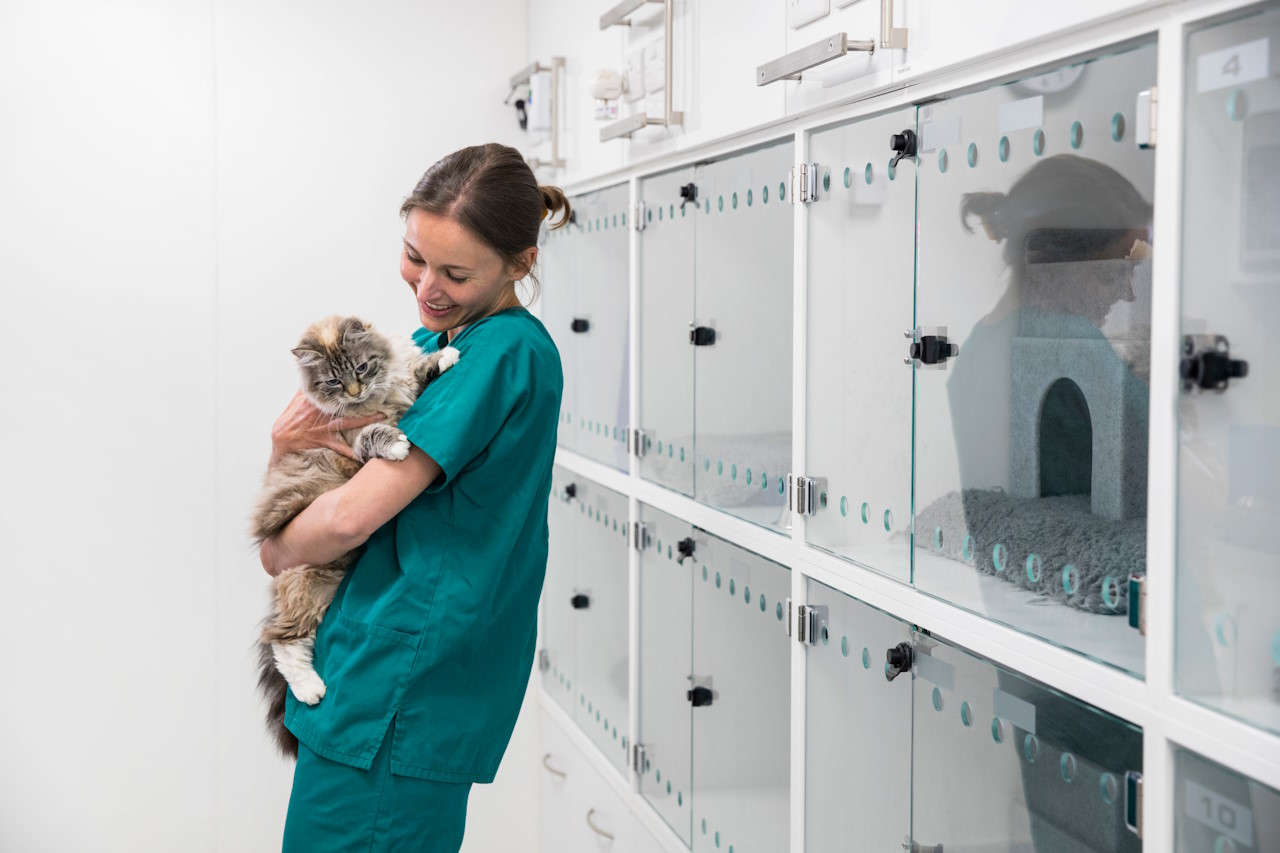
    As much as they like looking after our patients, veterinary nurses perform a skilled, highly trained role in practice.

    An RVN is registered with the Royal College of Veterinary Surgeons and will have undertaken at least 3 years of training and exams to have qualified.

    Some of the roles of a veterinary nurses include:

    • Taking blood samples, inserting cannulas and administering medications.
    • Monitoring anaesthesia (under veterinary direction).
    • Performing consultations including those for post operative checks, puppy and kitten second vaccinations, microchipping and claw clipping.
    • Looking after hospitalised patients – monitoring for improvement or deterioration.
    • Performing laboratory tests including blood exams, urine tests and microscopy.
    • Preparing patients for surgery and assisting in operations.
    • Positioning for and processing x-rays.
    • Changing dressings.

    Nurses are a crucial part of veterinary practice; we are very fortunate to have such dedicated members of our profession.

    Lucy Travers BVSc CertAVP MRCVS Highfields Vets

  • Vomiting Outbreak

    Vomiting Outbreak

    There has been coverage in the media recently about a severe vomiting and diarrhoea outbreak that seems to be affecting dogs that have visited the beaches. It is unclear what the cause is, however SAVSNET (small animal veterinary surveillance network) at Liverpool University is now investigating. It is most likely this will be the result of a virus, potentially a type of coronavirus. We have seen outbreaks like this before that then spread rapidly across the entire country.

    We are seeing cases of vomiting and diarrhoea now in Derbyshire, but it is unclear if there is a link or if these have different causes.

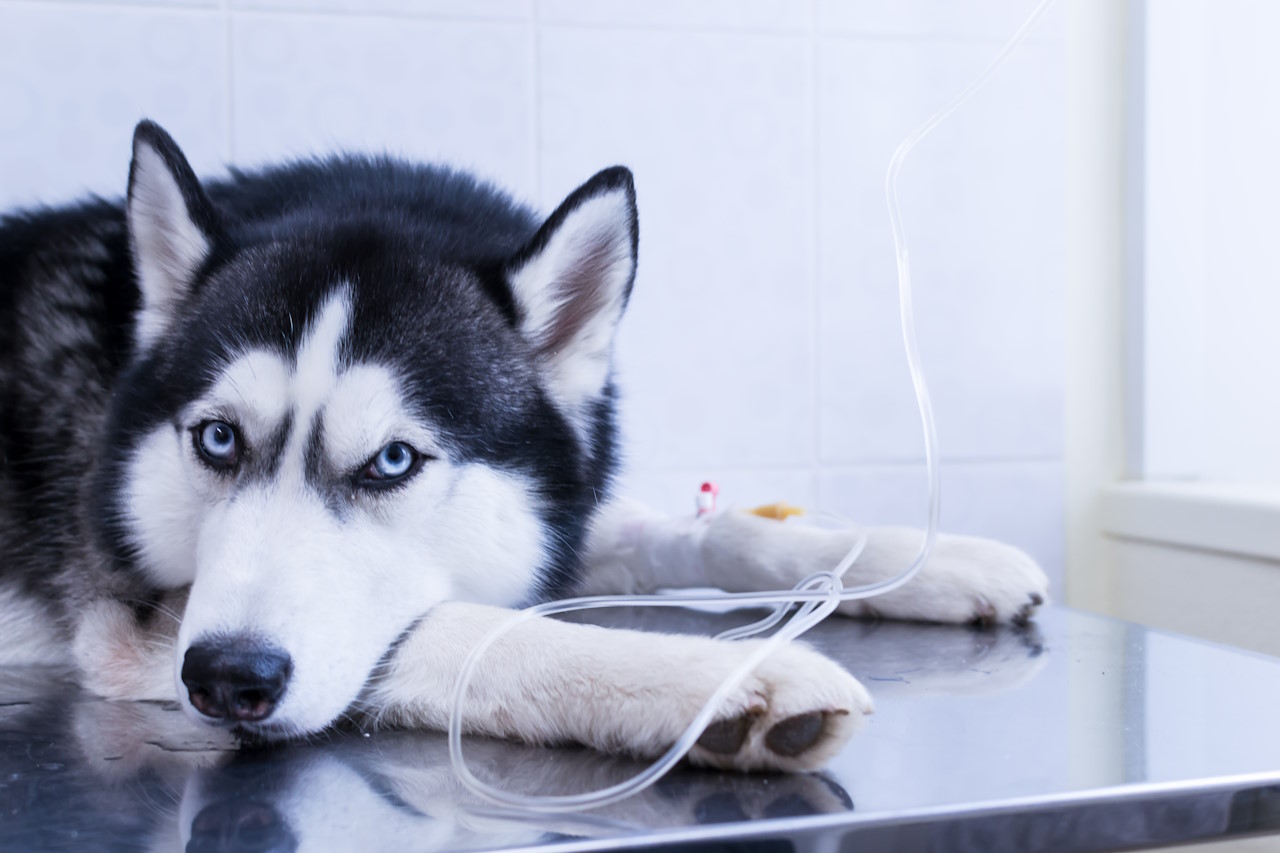
    Most mild cases of vomiting and diarrhoea in our canine friends can be treated at home, with a bland diet given in small, frequent meals. However prolonged disease can cause dehydration and then veterinary attention is required to prevent more severe illness. Not all cases of vomiting are caused by a virus, if your dog is vomiting it may be caused by an intestinal obstruction, pancreatitis, toxin ingestion amongst other causes. There are also currently a growing number of cases of Parvovirus in the UK. Parvo and Leptospirosis can both cause severe (potentially fatal) vomiting and diarrhoea and so I would urge all dog owners to check their vaccines are up to date.

    Lucy Travers BVSc CertAVP MRCVS Highfields Vets

  • When it’s not just an ‘age-thing’

    When it’s not just an ‘age-thing’

    A phrase we often hear when we see older pets, is ‘we just put it down to old age.’ Whether they are slowing down on walks, not eating as much, drinking a bit more or losing weight. As they can’t tell us, it can be difficult to notice when our pets have a problem, until they become quite unwell. 

    Common problems we can see in older pets include arthritis (which often becomes worse in the colder months), dental disease, kidney problems, heart disease and infections.

    Most of these can be diagnosed from examining a pet and talking through a recent history, however sometimes we need to do further tests such as urine and blood tests and ultrasound/x-ray exams.

    To help your older pet there are a variety of tools we have. We can slow down the progress of the disease with medication, such as in the case of arthritis and heart disease. We can cure some ailments such as removing rotten/broken teeth – it is always rewarding for us to see how ‘well’ pets can become after dental treatment. We can also prevent problems occurring by continuing to vaccinate older pets – contrary to popular belief older pets are more at risk just like people.

    Pets are living a lot longer than ever before and maintaining quality of life for our patients in their older years and allowing a dignified end when the time comes is such an important part of our role in veterinary practice.

    Lucy Travers BVSc CertAVP MRCVS Highfields Vets

  • Separation anxiety in pets

    Separation anxiety in pets

    Spending more time at home during the Covid-19 pandemic may have had a detrimental effect on our pets. Regardless of age, pets can develop separation anxiety. Due to the increased time we are spending with pets, there has been a rise in pets suffering from the condition.

    Separation anxiety is when a pet finds it stressful to be apart from their humans.

    Separation anxiety presents in many different ways including:

    • Whining
    • Barking/howling
    • Pacing
    • Trembling
    • Panting
    • Drooling
    • Destructive behaviour
    • Inappropriate urination or defecation
    • Following you around
    • Staying close to the door

    If your pet is displaying these symptoms, it is first recommended to speak to your vet. It is helpful to have details of the behaviours displayed and when they do them. Underlying health conditions can exacerbate separation anxiety, so ruling these out is always a good first base.

    It can be beneficial to create a consistent, predictable routine. This includes exercise timings, time away from your pet and feeding times. If your pet knows what to expect and when to expect it, it can reduce anxieties. 

    When arriving or leaving your pet try not to make a big fuss. By greeting them calmly it can reduce the anxiety while waiting for you to come home.

    Mental and physical stimulation play a crucial role in this too. By ensuring your pet is stimulated, you are likely to reduce the symptoms displayed. This can include puzzle feeders, playing with toys and tasks such as agility.

    By providing your pet with enrichment when they are left alone, it can distract them from your absence. Making them find their food or using food toys can be beneficial as can leaving a tv or radio on. If symptoms persist then it can be beneficial to seek the advice of a behaviourist. Your veterinary practice should be able to refer you to one within your area.

    Lucy Travers BVSc CertAVP MRCVS Highfields Vets

  • Telemedicine

    Telemedicine

    So, cases of Coronavirus are on the rise and its looking like we may be facing further restrictions. The Royal College of Veterinary Surgeons are once again allowing remote prescribing.

    With this in mind, we are now able to offer video consultations for anyone who would rather stay at home. 

    Telemedicine is not our ideal consult, as Vets we much prefer to be able to do a full clinical examination on our patients, however we can get a lot of information from a video consultation and can prescribe for more minor ailments. If we need to examine your pet we can always come and collect them from your car in a socially distanced manner. 

    The surgery will still be open during normal opening hours for consultations however we will be restricting the number of clients into the building to keep everyone safe. 

    We want everyone to have a safe and enjoyable Christmas and New Year. 

    Lucy Travers BVSc CertAVP MRCVS Highfields Vets

  • Happy puppies make happy dogs

    Happy puppies make happy dogs

    Under 16 weeks of age is a critical time in the life of a dog, it is what we call the ‘puppy socialisation period’. We see something similar in young children, when the brain is like a sponge, it absorbs all new experiences and remembers them. Once out of this stage dogs become more wary of new situations, so it is important that we create good memories in this time window for our puppies. 

    Simple things like people wearing hats, people on bikes or even high viz jackets can become objects of fear if the dog has not met with these experiences as a puppy. As they can’t go out properly until they are fully vaccinated it is important to carry them out and about and get them meeting different people and situations. 

    Just like dentists invite babies for dental check-ups even before they have teeth, we as vets feel it is important that pups at least get used to walking in the door for a bit of a fuss and treat – it really makes a difference to their experience as they get older. We don’t like every visit to involve a needle!

    Lucy Travers BVSc CertAVP MRCVS Highfields Vets

  • Christmas Pet Dangers

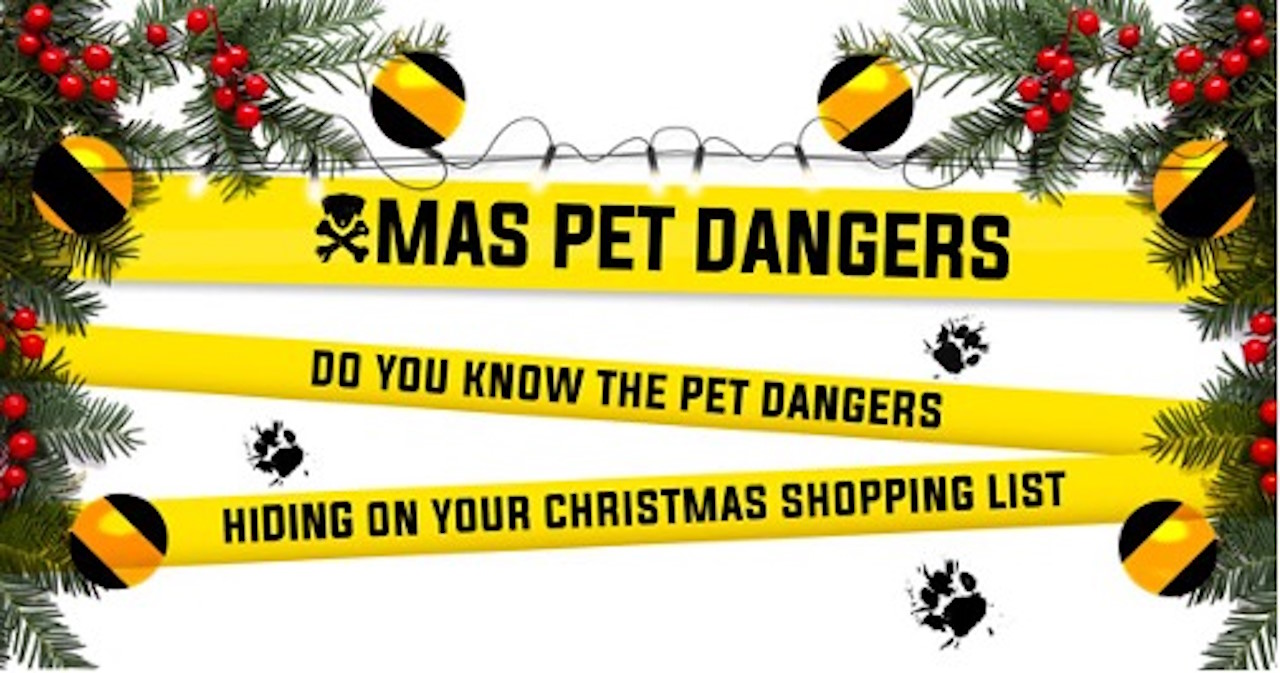
    Christmas Pet Dangers

    Plants: Many Yule time plants can be hazardous to pets if chewed – symptoms include salivation, oral irritation and vomiting/diarrhoea. If you have any concerns talk to your veterinary surgeon who will have access to information on all different species of plant.

    Food: Keep those Christmas chocolates out of your pet’s reach! Chocolate is poisonous to pets, and dogs are usually the main culprits. 

    Chocolate contains a compound called theobromine which dogs and cats are unable to process properly. Theobromine acts as a stimulant leading to clinical signs of; vomiting and diarrhoea, increased thirst/urination, hyperexcitability/agitation, rapid heart rate, seizures and potentially death. 

    The darker the chocolate the higher the theobromine content therefore the more toxic it is. White chocolate is safe however it may cause gastrointestinal upset due to its high fat content. Your veterinary surgeon will be able to assess if the dose your pet has had is safe or if action needs to be used to prevent intestinal absorption.

    Grapes and their dried fruits such as raisins, currants and sultanas (whether raw or cooked) are known to cause fatal kidney failure in dogs – so keep treats such as mince pies, puddings and cakes out of reach.

    Even ingestion of just a few grapes is enough to cause severe illness so always consult your vet if your dog ingests any amount. 

    Mould ingestion can be lethal to pets. 

    It usually happens when dogs raid the kitchen waste recycling caddy, so keep them out of reach this Christmas period where there is likely to be an increase in food waste. If your pet ingests mouldy food seek treatment without delay.

    Symptoms can occur rapidly and include: restlessness, panting, salivation, muscle tremors, hypersensitivity and seizures.

    Xylitol is often used in baked goods around Christmas time. However, it is extremely toxic to dogs if ingested, even a small amount can be fatal. Xylitol (also known as E967) can be found in many products including sweets, baked goods, jams, peanut butter, dental hygiene products, chewing gum.

    Ingestion in dogs causes a rapid drop in blood sugar which can lead to lethargy, wobbliness, confusion, vomiting, collapse and tremors/seizures. Some dogs may also go on to develop acute liver failure. In case of ingestion get your dog to the vet practice ASAP! 

    The Allium family (onions, garlic, spring onions, chives, leeks...) cause red blood cell destruction in cats and dogs- which can result in lethargy or collapse. 

    Even 1 or 2 garlic cloves can be enough to cause serious problems in a cat. Exposure can also occur chronically i.e. small amounts every day can build up to cause an issue. 

    Gravy is often a sneaky culprit at Xmas time – instant gravy can contain a high amounts of onion/garlic powder, so avoid giving it as a treat! 

    Decorations: If you are decorating your tree beware of the potential dangers to your pet. Pets can be attracted to shiny lights, tinsel and baubles! Swallowed or chewed decorations can lead to cuts or intestinal blockages, and chewed fairy lights can pose an electrocution risk. 

    Homemade salt dough decorations are pretty but poisonous! 

    Due to the high levels of salt needed to make salt dough, ingestion of just one of these homemade decorations is enough to cause serious poisoning.  Symptoms can range from vomiting, diarrhoea, decreased appetite, lethargy, incoordination, excessive thirst or urination. In severe cases, tremors, seizures, coma, and even death are possible.

    Please avoid putting these around your home at Christmas if you have pets 

    Batteries: With Christmas toys and gadgets there is an abundance of batteries around! 

    Pets are inquisitive and may think nothing about swallowing batteries, which can cause significant damage to the mouth and gastrointestinal tract! 

    Large, chewed or punctured alkaline batteries often require intervention, and the lithium disc or ‘button’ batteries pose the greatest risk of all. Always contact your vet if you think your pet may have ingested a battery.

    Anti-Freeze: Anti-freeze has a really attractive smell and taste to cats but is severely toxic. Ingestion rapidly causes severe illness, signs include vomiting, decreased appetite, lethargy, incoordination, excessive thirst or urination progressing to seizures and death. It is essential to seek urgent veterinary attention if you are at all concerned your pet may have ingested anti-freeze or any other toxin.  For more information click here.

    Lucy Travers BVSc CertAVP MRCVS Highfields Vets

  • Stressed Cats

    Stressed Cats

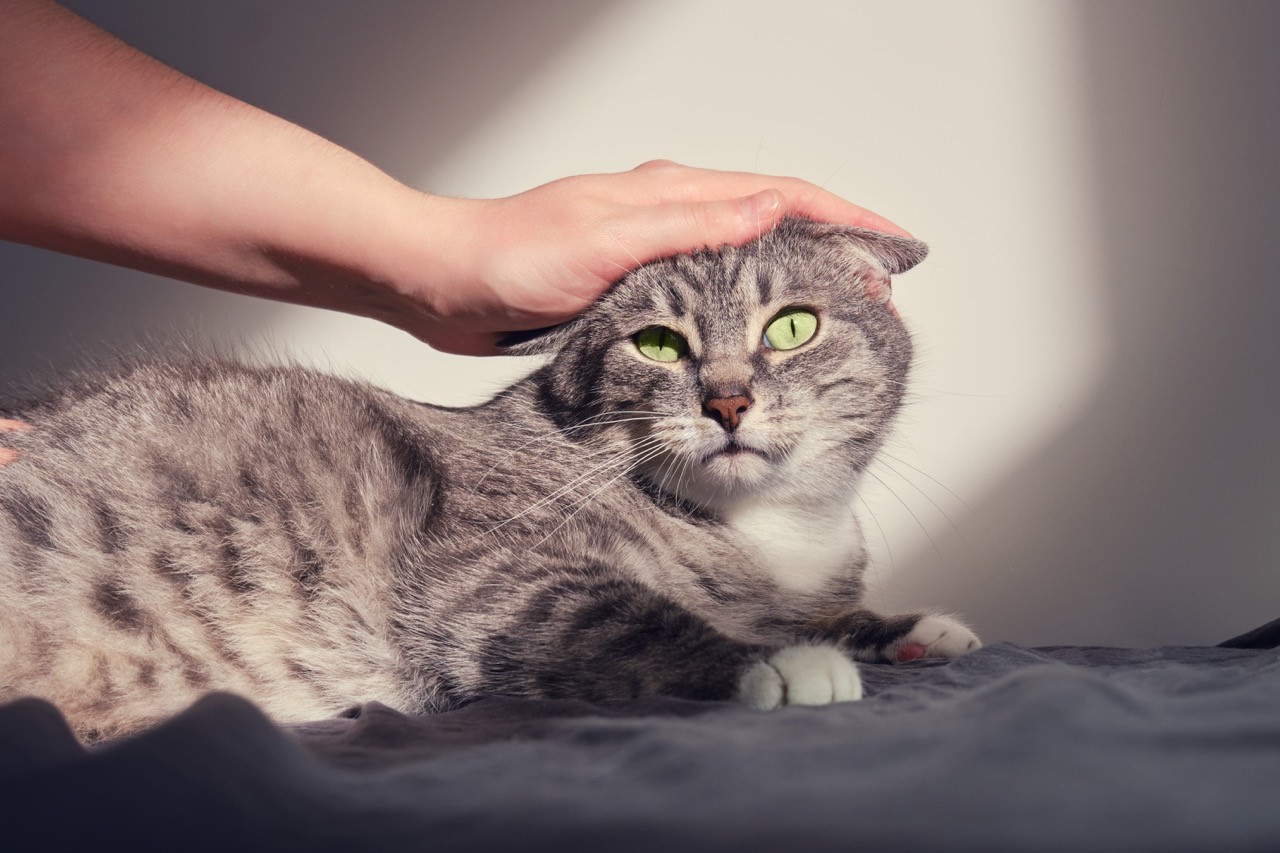
    Cats, ‘you never get two the same’ is a something we commonly hear from our clients. Our understanding of cats is continuously evolving, both in terms of their behaviour and medical needs. It is becoming more apparent that both are closely related and more medical problems in cats are being associated with stress.

    So why are cats stressed? Not all cats get stressed, but some really suffer. A new piece of furniture, a neighbouring cat coming into their territory, a change of food, loud noises are all possible causes of stress to a cat.

    Common medical conditions that may be related to stress include hair pulling, cystitis and other urinary problems, inappetence and gastrointestinal upsets.

    Urinary problems in cats may present as just a bit of cystitis or can be acutely life threatening in male cats, where a clot of inflammatory cells cause a blockage of the bladder. If for any reason your cat is trying to pass urine and can’t, then this is a life-threatening emergency so take them to your vet ASAP.

    So how can we help our feline friends cope better? Certainly, deter unwanted visitors from your cat’s territory, provide lots of places in the house for the cat to hide (they like being up high), provide extra litter trays (you should have one for each cat plus one spare) and consider using pheromone diffusers. 

    Lucy Travers BVSc CertAVP MRCVS Highfields Vets