Category: Uncategorized

  • Microchipping

    Microchipping

    Last week we had a stray cat in. She was a lovely cat and really enjoyed being around us and kept wanting fuss and attention. From her behaviour it was obvious she had a home, but sadly no one came forward for her. 

    She will no doubt find another home, but had she been microchipped it would have been easy to reunite her with her owner. We can’t stress the importance of microchipping enough, for dogs its the law but for cats it’s just an option. We believe all pets should be chipped so they can find home. It can be particularly distressing when we need to make urgent contact with an owner when a pet has been involved in an accident. 

    Please consider microchipping and always remember to update your details when you move house/change phone numbers.

    Lucy Travers BVSc CertAVP MRCVS Highfields Vets

  • Keeping Your Pets in Good Health

    Keeping Your Pets in Good Health

    As pet owners there are many things that you can do to ensure your pet stays in top condition and hopefully reduce the number of visits you need to the vet!

    Nutrition – It is amazing what difference you can make to your pet’s health by feeding a good quality food suitable for their life-stage. All pets, like us need a good balanced diet with vitamins and minerals to keep them healthy. Guinea pigs need Vitamin C, our feline friends need a certain protein only found in meat, and rabbits need a good amount of hay to keep their teeth trim and guts moving. 

    Clean Water Bowls – always ensure your pets water bowl is clean and water is refreshed daily. Otherwise, bacteria can build up and cause them to become unwell.

    Teeth cleaning – The best way to keep your pet’s teeth clean is to use a toothbrush and pet toothpaste, nothing beats physically brushing them. If this is a struggle there are alternatives that can help your pet’s teeth stay clean, including dental sticks, food and pet mouth washes.

    Lump checks – regularly check your pet over for any new lumps that might appear and get them checked quickly.

    Immunisations – Keep your pet’s vaccines up to date, this will protect them from many lethal diseases.

    Parasite treatments – Again prevention is much easier than trying to treat some conditions, such as lungworm and flea/mite infestations. If your cat is a hunter then it will need de-worming regularly. All pets have individual needs, so it is always best to speak with your Vet and determine the risks. Prompt treatment – Pets cannot tell us that they are ill, and will not show pronounced signs until they are very poorly, so if your pet is not quite right, drinking a little more, perhaps a little off food, breathing a little faster, coughing or being sick then it’s always best to ask for some advice. 

    Lucy Travers BVSc CertAVP MRCVS Highfields Vets

  • Changes to How Pets Travel

    Changes to How Pets Travel

    Brexit has led to changes in the way pets can travel abroad, making it all a little bit more complicated. Pet passports have been replaced by Animal Health Certificates (AHC). These changes affect all animals travelling from Great Britain to the EU and Northern Ireland. 

    The new documents are only valid for 4 months, so we now need to issue an AHC every time you take your pet abroad. 

    There is still a requirement for a valid rabies vaccination which needs to be given at least 21 days before your certificate is complete. The pet must be microchipped. If the pet is travelling to a ‘tapeworm’ free country, they will need to be treated for this before they travel. 

    It is always advisable to check the rules of the country you are going to before booking your pet on the holiday as some countries have additional requirements. For UK rules and regulations please go to https://www.gov.uk/taking-your-pet-abroad.

    If you are moving abroad or the pet is changing ownership you need a document called an EHC (Export Health Certificate).  

    So, if you are taking your pet abroad, please get in touch with your vet as soon as possible to ensure you have everything you need.  Only vets that have been trained by DEFRA as an OV (Official Veterinarian) can do the AHC.  If you have a passport that has been issued in an EU country or Northern Ireland you may not need an AHC to travel, so check with your vet.

    Lucy Travers BVSc CertAVP MRCVS Highfields Vets

  • Itchy Ears

    Itchy Ears

    So, it’s one of the most common things we see in veterinary practice at this time of year. Generally, more common in dogs than cats and often related to hay fever type allergies leading to secondary infection. However, a sudden ear irritation can be due to something like a grass seed finding its way into the ear.

    Ear pain is really uncomfortable but can usually be easily treated.

    We always need to look down an ear before treating to rule out a foreign object and check that the small membrane (tympanic membrane) is intact before putting anything down the ear (as drops/cleaners can cause a problem with the inner ear if the membrane has ruptured). Ear problems are always best treated early as with time the ear canal changes and thickens which can lead to surgery being needed.

    Signs of an ear problem are: smell from the ear, scratching the ear, rubbing the head on the floor and a head tilt to one side.

    Ear bugs like warm, moist environments and we often see more recurrent problems in breeds such as Cocker Spaniels where air struggles to circulate the ear (and also the thick coat of the spaniel breed tend to really attract grass seeds). There are however some fantastic new treatments around that help clear these problems quickly and enable your pet to get back to enjoying the summertime.

    Lucy Travers BVSc CertAVP MRCVS Highfields Vets

  • What to Expect When Your Pet Comes for an Operation

    What to Expect When Your Pet Comes for an Operation

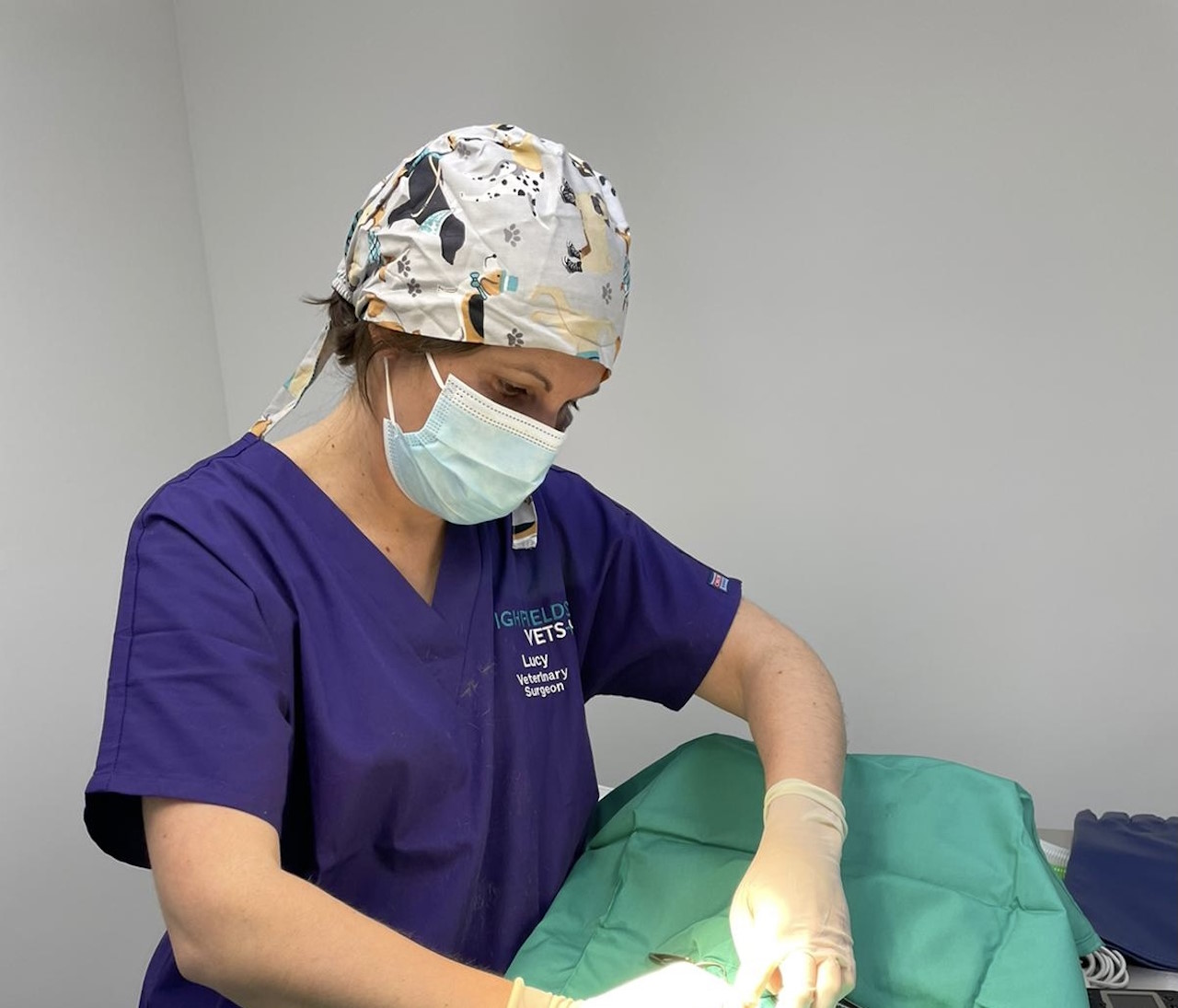
    At admission, you will be greeted by the veterinary surgeon (VS) or one of the registered veterinary nurses (RVN). They will discuss the procedure with you and explain what it entails, as well as any risks involved. Our veterinary professionals can answer any questions you might have about the surgery, and/or and about the recovery process.  

    Once your animal has been admitted, they are given a full examination. Pre-operative checks are also performed to assess their baseline parameters before going under general anaesthesia. If you have opted to have the pre anaesthetic blood panel, or the Veterinary Surgeon thinks it is necessary prior to going ahead, this is usually when the blood sample is taken. These blood tests check certain enzymes that correlate to different internal organs, which gives us an indication of whether the patient may become compromised under anaesthesia. If any of the tested parameters exceed or are below normal limits, you will be contacted to discuss what we do, collectively, moving forwards. If your animals’ results come back as normal, we continue with the procedure as planned. 

    Your animal is kept warm prior to their procedure as inducing general anaesthesia interrupts the bodies normal heat regulation mechanisms. We also place an intravenous catheter, usually in one of the front legs. This provides us with immediate access to the circulatory system should your animal need intravenous fluid therapy or additional medications. We use this access to induce anaesthesia.  

    Once your pet is asleep and their airway is secured, we attach them to our multi-parameter monitoring device, this monitors the heart (via ECG) and blood gasses of the animal. They are then prepared for whichever surgical procedure they are having. This may include the removal of some of the animals’ coat, to allow us to prepare them in a sterile manner. Once again, the patient is warmed throughout, and their temperature is monitored. All our patients are monitored by registered veterinary nurses whilst under anaesthesia, who liase with the veterinary surgeon to ensure everything runs smoothly. After the procedure is finished, your animal is woken up, they are still monitored closely by all involved. They are transferred back to their beds where they are made comfortable, and they gradually return to full consciousness. They are offered appropriate food and water, and all are given the opportunity to toilet as normal.  

    You are contacted once we are happy the patient is stable and conscious. During this conversation we arrange a time for you to come and collect them and discuss all the relevant post-operative advice. We also arrange appropriate post-operative checks with the veterinary surgeon or nurse to keep an eye on how they are healing after surgery. 

    Lucy Travers BVSc CertAVP MRCVS Highfields Vets

  • Keeping Our Pets Protected

    Keeping Our Pets Protected

    Over the last few months there has been a worrying rise in the number of cases of Parvovirus in dogs. Parvovirus can be a horrible disease, often affecting young puppies but also seen in adult and aged dogs. It is very difficult to treat as there is no cure and often entire litters are affected. What makes Parvovirus such a worry is that it can survive in the environment for a very long time. 

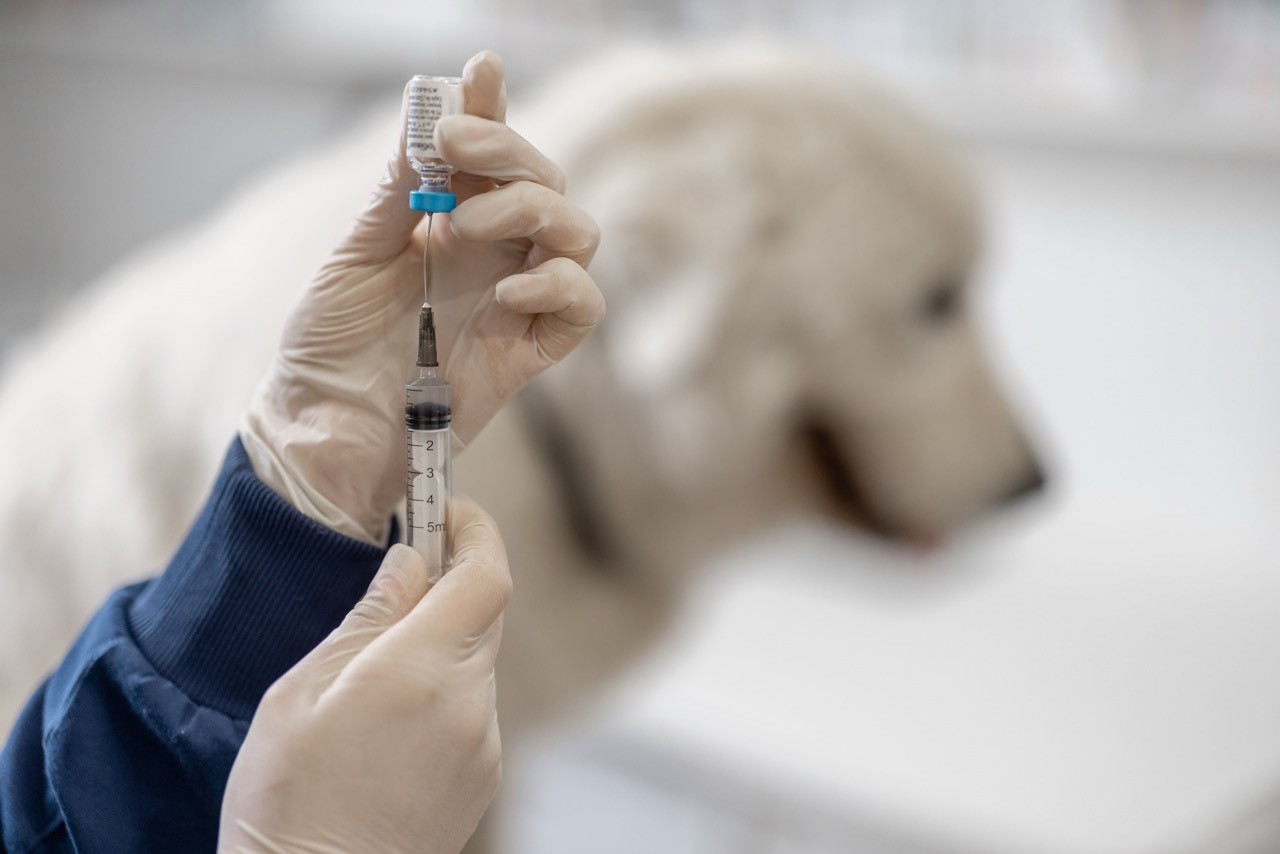
    It is a disease I have seen many times and always causes much distress within the veterinary team. I would urge people to make sure their dogs are up to date with the vaccine to stop it spreading, just as the coronavirus vaccine has proven to do, these vaccines stop the virus shedding in the environment.

    The signs of parvovirus are diarrhoea, often with blood in, lethargy, a high temperature and inappetence. The virus causes a rapid deterioration and can also affect the heart leading to heart failure. 

    We advise not to walk puppies until they are fully vaccinated even if they do not meet other dogs. It is also important to check when buying a puppy that the mother is vaccinated as this will give some protection in the early weeks. Collectively as an increasing dog owning population, we can control this virus through vaccination and save lives. The more dogs we get vaccinated the lower the risks in our local environment, we would be very grateful if you could help us stop the spread! 

    Lucy Travers BVSc CertAVP MRCVS Highfields Vets

  • Making it Simple

    Making it Simple

    It’s not always easy to give your pet medication from the vet. Cats are notoriously difficult to give tablets too and will sniff anything out that has been put in their food. Some are easier than others, a Labrador will rarely miss the chance of a free extra meal whatever it contains! 

    Over the past few years there have been some brilliant new products released that just simply make this much easier. Spot-on treatments that go on the back of the neck are great for cats reluctant to take a tablet.

    The new kennel cough vaccine for dogs goes into the mouth rather than up the nose making it much easier for us to give.

    There are also new longer acting injections which bypass the need for daily tablet taking. One is for dogs with skin conditions (a cat one is coming soon) and one has just been released for dogs with arthritis. I am very excited to start using this one as the reviews so far have been fantastic and it is very safe. 

    There are many more options than we used to have which is great for vets, owners and pets alike. 

    Lucy Travers BVSc CertAVP MRCVS Highfields Vets
  • Spring

    Spring

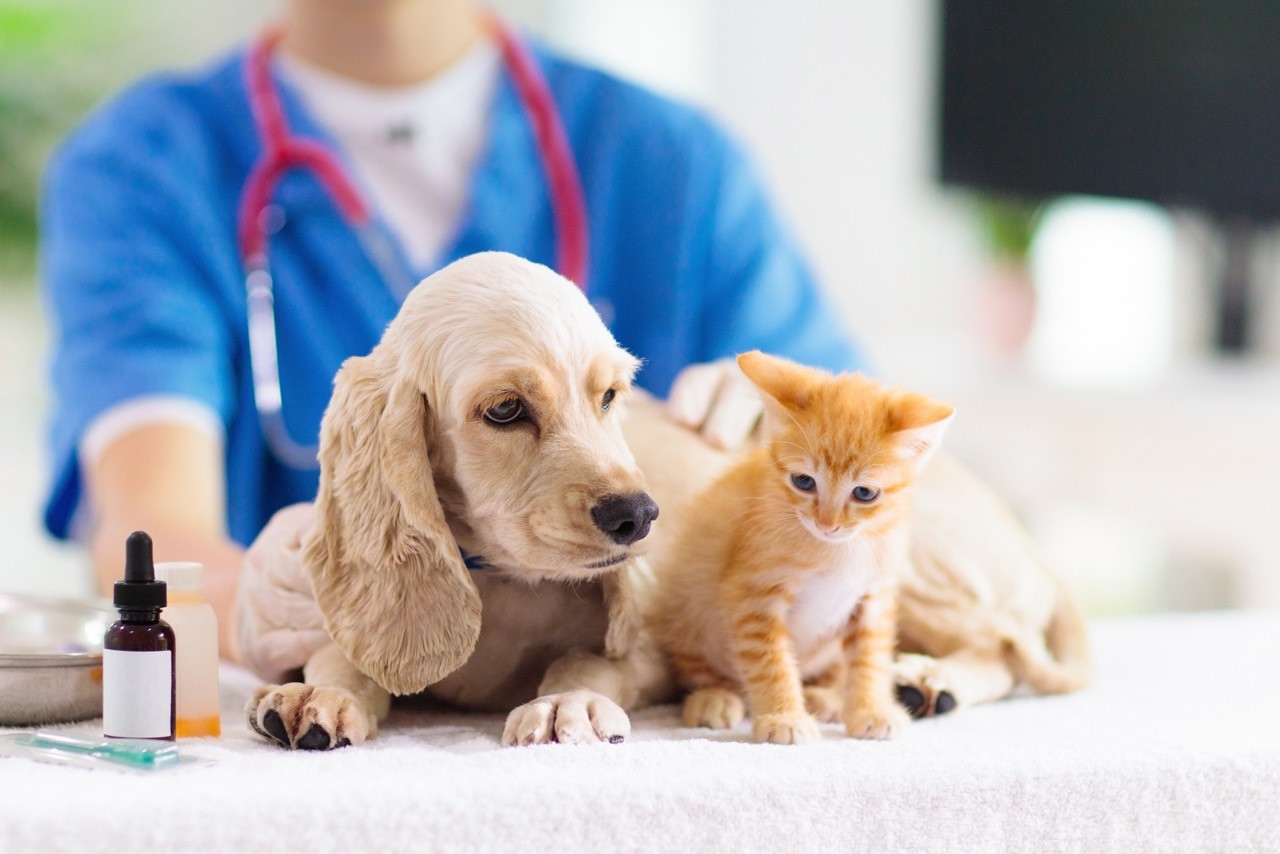
    Well, it’s been a long cold winter, and we are all enjoying a bit of Spring warmth. It’s a busy time of year for Vets for various reasons. 

    Cats are seasonal breeders and generally breed this time of year. Not only does this bring kittens but lots of hormonal fighting males! If you have an entire female cat, they begin to display behaviour to attract males which may include rolling on their backs screaming- often mistaken for pain!

    Vets see an increase in cases of skin problems this time of year. This is due to allergies resulting from rising pollen levels. Signs of skin allergies include ear infections and irritations, chewing paws and general itchy, red skin. There are some fantastic new treatments available to help control your pets itching and it is always worth trying to find the underlying cause of the problem. 

    Spring is also a time to protect against ticks, a particular problem where animals pass through fields where sheep graze and fleas enjoy the extra warmth.

    We also see an influx of wildlife this time of year. We are happy to take in any sick wild animals but would always urge you to call the practice before doing so, baby birds in particular are sometimes better off being left somewhere out of reach as parents may still be feeding them- we can always help advise. 

    Enjoy the Spring sunshine, Lucy Travers BVSc CertAVP MRCVS Highfields Vets
  • Setting Up Our Sign

    Setting Up Our Sign

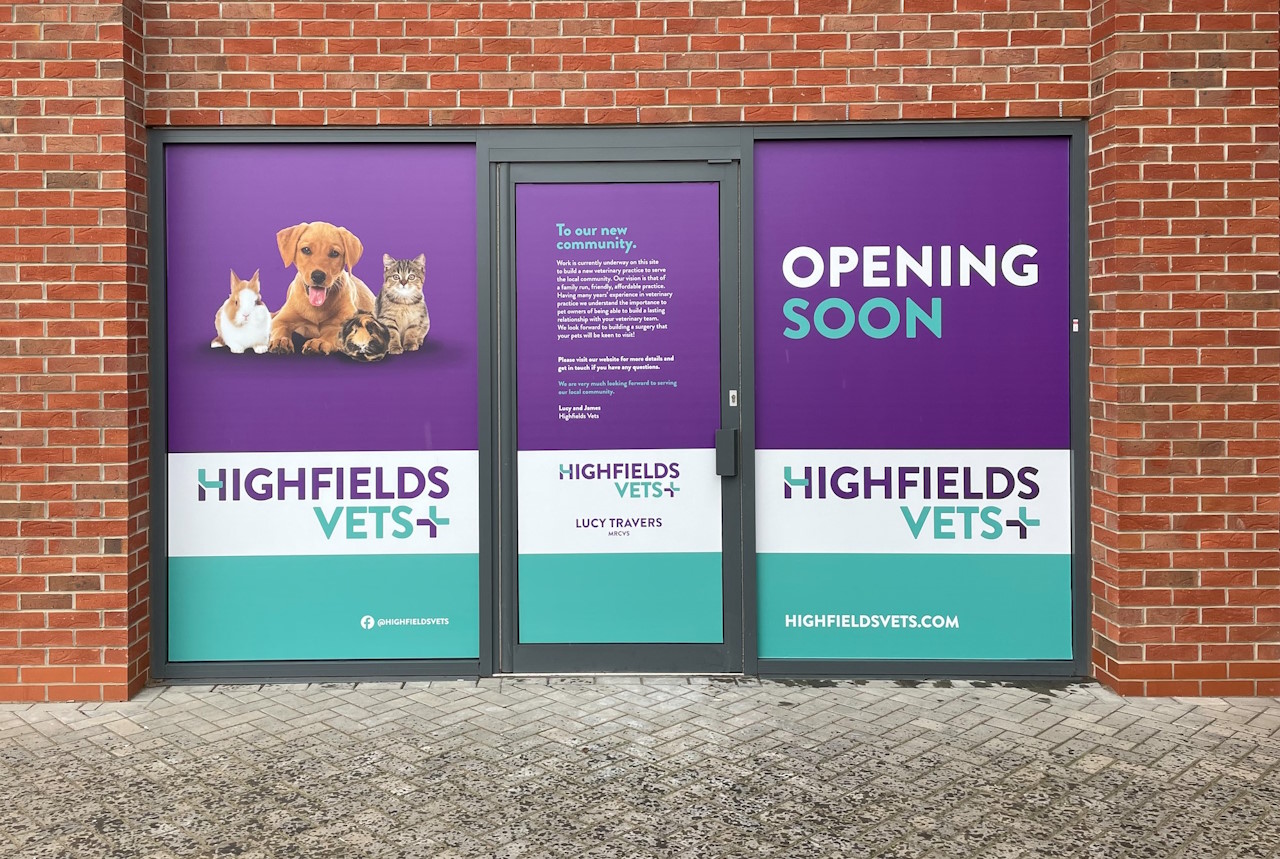
    I remember, a few years ago a retired vet telling me about when he first started his practice and how it was just a case of putting a sign in the back of the car. How practice has changed! Vetting was different with farm animal and equine being the majority of the work and equipment was limited. As human medicine advances, veterinary follows closely behind and has progressed rapidly over the past 50 years, with a shift from large animal to small, companion animal work. 

    Setting up a vets in 2021 has been a little different, and our sign is a bit bigger. We need space to consult, space to prepare patients for surgery, a sterile operating space, an x-ray room with lead lined walls and an area to store medicines. In recent years there has been much research to improve practices to reduce stress in our feline patients. Separate kennelling and waiting space allow a barrier from their canine counterparts. It is also ideal to have a separate space for animals with infectious disease that we need to keep isolated.

    So, our sign is a bit different but we very much share the same ethos of veterinary medicine and our declaration to the RCVS that ‘my constant endeavour will be to ensure the health and welfare of animals committed to my care.’  I very much hope you like our sign and we are able to provide a very high level of care. 

    Lucy Travers BVSc CertAVP MRCVS Highfields Vets